
Oct
When you’re working with a render spray machine, grout pump or flow screed pump, the delivery hose might seem like one of the simplest parts of the setup. In reality, choosing the correct hose can have a significant impact on how efficiently and reliably material travels from your machine to the point of application.

One of the biggest differences is hose diameter.
For the types of machines commonly used in rendering, grouting and flowing screed applications, you’ll frequently come across 25mm, 35mm and 50mm material delivery hoses. But they aren't interchangeable simply because they're all designed to move material.
As a useful guide:
25mm hose → Small render spray machines and grout pumps
35mm hose → Medium sized render spray machines
50mm hose → Screed and Grout Pumps
The exact hose required will always depend on the machine, material, pumping distance and manufacturer's specifications, but understanding these three common sizes is a good place to start.
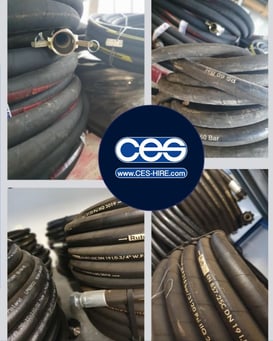
25mm Hose: Small Electric Machines
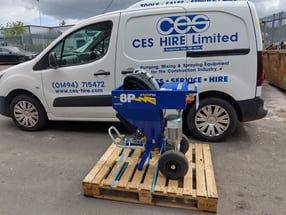
A 25mm material delivery hose is commonly suited to applications where smaller volumes of relatively fine material need to be pumped and sprayed.
One example is silicone top coat render.
Machines designed specifically for spraying pre-mixed top coats can use a smaller material hose to create a compact and manageable setup on site.
For example, a 25mm hose is suitable for machines such as the Euromair DropPro 8P, Euromair MixPro 14, Euromair MixPro 28 and InoBEAM M8, which can be used for machine application of silicone and other suitable thin coat renders.
This smaller hose diameter helps make the setup practical and manoeuvrable, particularly when working around domestic properties, scaffolding and other areas where operators need to move the spray gun freely.
25mm hoses can also be used with suitable grout pumps, depending on the machine and material being pumped.
This makes 25mm delivery hose useful across several specialist pumping applications, but it's important not to assume that every fine material or grout is suitable. Always check factors such as aggregate size, material specification, pumping pressure and the machine manufacturer's recommendations.
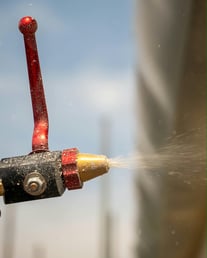
Typical 25mm hose applications:
- Silicone top coat render
- Spray Render
- Grout pumping
- Self levelling screed
35mm Hose: Larger electric machines and diesel pumps
Move up to 35mm material hose and you're into a very common size for machine-applied render.
This hose size is suited to a range of basecoat and monocouche render spray applications, where the machine needs to deliver heavier material and greater volumes.
Machines using this type of hose setup can include the:
Euromair CP30
Euromair MixPro 50
Euromair X-Pro D80 (with reducer)
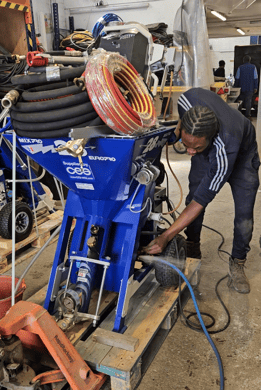
These machines cover different types of render application and pumping setups, but the larger 35mm hose provides the capacity required for suitable basecoats, monocouche renders and other compatible materials.
If you're moving from top coat spraying into basecoat or monocouche application, this difference in hose size is important.
It's not simply a case of connecting your existing smaller hose to a larger render machine. The hose forms part of the complete pumping system, alongside the pump, rotor and stator, couplings, spray gun and material itself.
Typical 35mm hose applications:
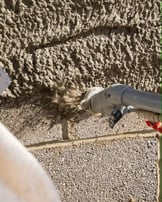 Basecoat render
- Monocouche render
- Machine-applied render
Always check compatibility with the particular material and machine configuration before pumping.
50mm Hose: Screed and grout pumps
When we move into screed and grout pumps, the requirements change considerably.
Liquid screed pumps need to move high volumes of material efficiently, often over substantial distances around a construction site.
For this reason, 50mm material delivery hose is commonly used with flow screed pumps such as the:
Euromair X-Pro D80 (Grout)
Euromair X-Pro D140
Euromair X-Pro D200
Euromair CP100 (3 Phase)
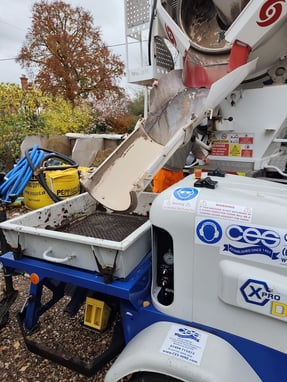
These larger diesel screed pumps are designed for pumping liquid and flowing screed, and the 50mm delivery line enables the system to handle the volume of material required.
Multiple hose lengths can also be connected together to create a longer delivery line. This allows the screed pump to remain in an accessible position while material is transported to the pour area.
On larger commercial and residential developments, this can mean pumping over considerable horizontal distances or delivering material to different areas or levels of a building.
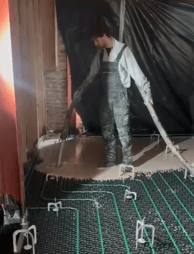 Typical 50mm hose applications:
- Liquid flow screed
- Cement-based flowing screed
- Anhydrite flowing screed
- Grout pumping
Why Does Pump Hose Diameter Matter?
The diameter of the hose directly affects the path the material has to travel through.
Too small a hose for the application can create excessive resistance and potentially increase pumping pressure. Conversely, simply choosing the largest hose available isn't necessarily the answer either.
The complete system needs to work together.
Think about:
Machine → Pump → Material → Hose → Couplings → Spray gun or outlet
Changing one part of that system can affect another.
That's why it's always best to use the hose diameter and configuration recommended for your particular machine and application.
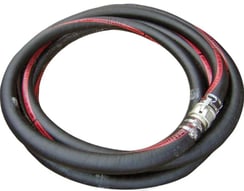
Hose Length: More Isn't Always Better
Diameter isn't the only consideration. Hose length matters too.
Every additional metre of delivery hose creates additional resistance for the material being pumped.
Rather than automatically connecting every hose available, plan the most efficient route for the job.
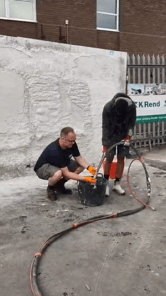 Before pumping begins, consider:
- Where the machine will be positioned
- Where the material needs to be delivered
- Total pumping distance
- Changes in height
- Sharp bends or obstacles
- Access around the site
Avoid unnecessary loops and tight bends wherever possible.
This becomes particularly important with flow screed applications where significantly longer delivery lines may be required.
Check Your Hose Couplings
The hose itself is only one part of the delivery line.
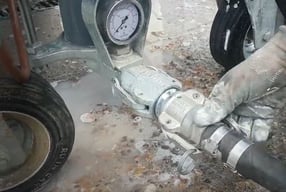
Couplings, clamps, reducers, connectors and seals should all be compatible with the machine and hose and kept in good condition.
Inspect connections before starting work and look for signs of wear, damage or deterioration.
Most importantly, never disconnect a material hose while the system is pressurised. Always follow the machine manufacturer's procedure for safely releasing pressure before opening any part of the delivery system.
Look After Your Delivery Hoses
Material delivery hoses work hard.
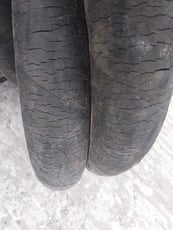
Regularly inspect them for:
Cuts • Cracks • Bulges • Excessive wear • Damaged couplings • Deterioration
The working pressure rating of the hose must also be suitable for the machine and application.
If a hose is damaged or you're uncertain about its condition, it should be properly assessed before being put back into service.
Clean Hoses Thoroughly After Use
Whether you've been spraying silicone top coat, pumping basecoat or delivering flowing screed, hose cleaning is essential.
Material left inside a delivery hose can harden and gradually reduce its internal diameter. Restrictions inside the hose can then affect material flow, increase pressure and contribute to blockages.
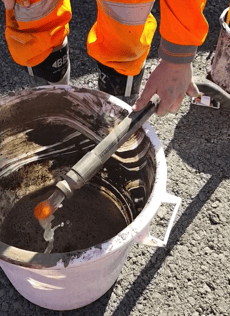
Cleaning balls or sponge balls are commonly used as part of the cleaning process for material delivery hoses.
Always use the correct cleaning procedure for the particular machine and application.
25mm vs 35mm vs 50mm Pump Hose: Which Do I Need?
As a simple starting point:
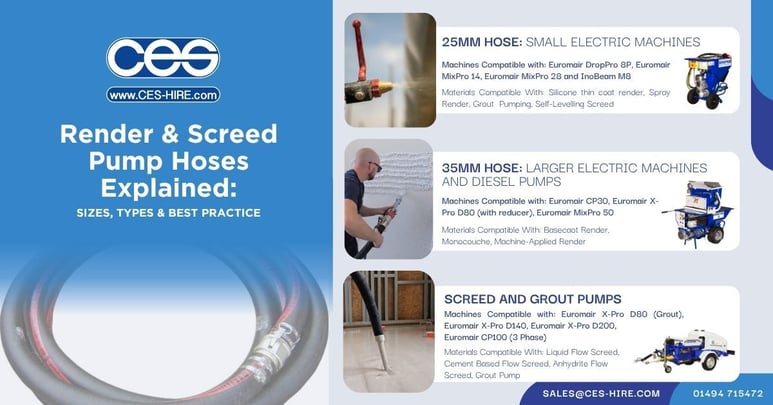
25mm – Small Electric Machines
Think silicone and thin coat render applications using machines such as the Euromair DropPro 8P or InoBEAM M8, plus compatible grout pumping applications.
35mm – Larger Electric Machines and diesel pump with reducer
Think machine-applied basecoat and monocouche render using machines such as the Euromair CP30 and X-Pro D80.
50mm – Diesel screed and grout pumps
Think high-volume liquid screed pumping using machines such as the Euromair X-Pro D140 and X-Pro D200.
However, treat this as a guide rather than a universal rule. Material specifications, aggregate size, pumping distance, pressure and individual machine configurations all need to be considered.
Need Help Choosing a Material Delivery Hose?
With different diameters, lengths, couplings and machine configurations available, it's understandable if you're unsure which render hose, grout hose or flow screed hose you need.
At CES Hire, we've been working with specialist plastering, rendering, grouting and screeding equipment for over 40 years.
We supply material delivery hoses, air hoses, couplings, fittings and pumping accessories for a wide range of specialist machines.
If you're replacing an existing hose or building a new delivery setup, let us know your machine model, material/application and required delivery distance and our team can help identify the appropriate hose and fittings.
25mm, 35mm or 50mm; the right hose starts with knowing what you're pumping and what you're pumping it with.
