
Jan
Rendering is one of those trades where preparation really does make or break the finish. One of the most common challenges we see on site is applying render over different substrates and expecting the same results every time. Whether you’re working on blockwork, brick, concrete or insulated systems, understanding how each surface behaves is essential for a long-lasting, professional finish.
At CES Hire, we’ve supported plasterers and renderers for over 40 years, so we know that the right approach and the right equipment makes all the difference.

1. Why Substrate Choice Matters
Every substrate has its own characteristics. Some are highly absorbent, others smooth and dense, and some move more than you’d expect. These differences affect:
-
Adhesion of the render.
.png?width=328&height=216&name=CES%20Hire%20Blog%20Featured%20Image%20Template%20(20).png)
-
Drying times.
-
Risk of cracking or debonding.
-
Overall finish quality.
Failing to account for the substrate can lead to costly repairs, delays, and unhappy clients. Getting it right first time saves time, money, and stress on site.

2. Rendering Over Brickwork
Brickwork is one of the most common substrates for rendering, but not all bricks are created equal.
Key considerations:
-
Highly absorbent bricks may require pre-wetting or a bonding agent.
-
Low-suction or engineering bricks need extra attention to ensure proper adhesion.
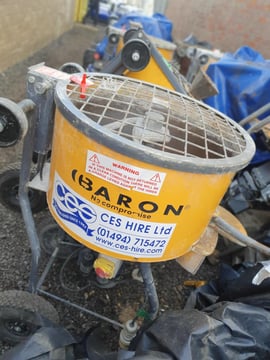
A scratch coat is often essential when rendering over brickwork, especially on uneven surfaces. Using a forced action mixer or render pump helps achieve a consistent mix, improving workability and reducing weak spots in the render.
3. Rendering Over Blockwork
Blockwork is generally a renderer’s friend, but it still requires the right preparation.
Best practice includes:
-
Cleaning dust and loose material from the surface.

-
Applying a bonding slurry where required.
-
Checking suction levels before application.
Blockwork provides good mechanical key, making it ideal for traditional sand and cement render as well as modern thin-coat systems. Consistent application is easier when using a rendering machine, particularly on larger elevations.

4. Rendering Over Concrete
Concrete surfaces can be tricky due to their smooth, dense nature.
Common challenges: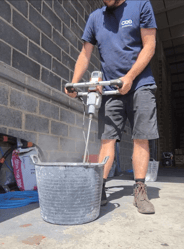
-
Poor adhesion if not properly prepared.
-
Risk of render failure without a bonding system.
Concrete almost always requires a bonding agent or mechanical key, such as scabbling or grit blasting. Skipping this step is a common cause of render delamination. A well-mixed render, applied with the correct equipment, is essential for success on concrete substrates.

5. Rendering Over Existing Render
Rendering over existing render can be tempting, especially on refurbishment projects, but it’s not always straightforward.
Before proceeding, you should: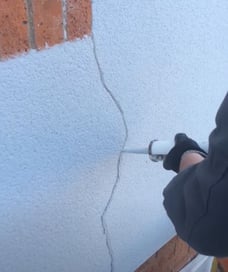
-
Check for hollow or loose areas.
-
Repair cracks and damaged sections.
-
Clean algae, paint, or contaminants.
If the existing render is sound, a bonding coat may be sufficient. If not, removal may be the only long-term solution. Using the right tools and mixers helps maintain consistency across old and new surfaces.
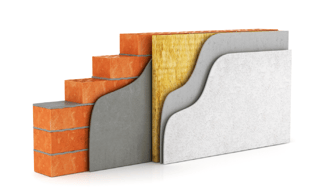
6. Rendering Over Insulated Systems (EWI)
External Wall Insulation systems require a more specialised approach.
Important factors include:
-
Using system-approved basecoats and mesh.
-
Applying thin-coat renders evenly.
-
Avoiding overworking the material.
Precision is key here. Pumping and spraying equipment designed for fine materials can significantly improve efficiency while delivering a high-quality finish.
7. Equipment Makes the Difference
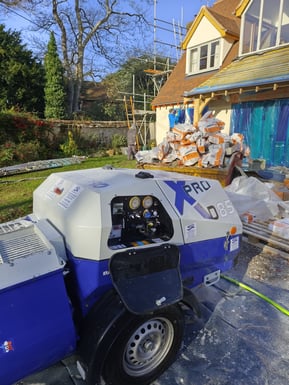
No matter the substrate, reliable equipment plays a crucial role in achieving consistent results. Render pumps, forced action mixers, and compressors help ensure:
-
Even material consistency.
-
Faster application times.
-
Reduced physical strain on operatives.
Well-maintained machinery also reduces downtime on site, keeping projects on schedule.
Conclusion: Get Expert Support for Better Results
Rendering over different substrates doesn’t have to be a guessing game. With the right preparation, correct materials, and dependable equipment, you can deliver durable, professional finishes on every project.
At CES Hire, we don’t just supply machines, we share our knowledge to help you choose the right setup for your job. If you’re unsure about rendering over a specific substrate or need advice on the best equipment for your project, we’re here to help.
