
Jun
We often talk about “render season” as though it is a neat window in the calendar. In reality, anyone working in the UK knows the weather rarely plays along. A mild morning can become a scorching afternoon, and a cloudy start can turn into a hot, drying wind by lunchtime. Rather than waiting for the perfect day, the key is understanding how heat affects render and adjusting before the finish is put at risk.

Render is cementitious, so it needs the right balance of moisture, temperature and time to cure properly. Warm weather is not automatically a problem, but extreme heat, direct sunlight, dry wind and absorbent backgrounds can all speed up drying. When moisture leaves too quickly, render can stiffen before it has properly hydrated, reducing working time and increasing the risk of cracking, poor adhesion, patchy colour and uneven texture. Hot weather can make cementitious materials go off much quicker, which may affect strength if the cement has not had time to hydrate fully.
As a rule of thumb, many renders are best applied in moderate conditions, often around 5–25°C, with no rain, frost, extreme humidity or strong wind. However, every system is different. Some manufacturers allow higher working temperatures, while others recommend stopping sooner, so always read the product data sheet and bag instructions before work starts. Guidance between manufacturers can vary but often 30°C is a good cut off point.

The first challenge in hot weather is suction. Dry masonry, blockwork or basecoat can pull water out of fresh render almost instantly. That “sucking” action can dry the material at the interface before a reliable bond has formed, which may lead to cracking, debonding or delamination. The surface can also become difficult to finish evenly, especially on large elevations where one area dries faster than another.
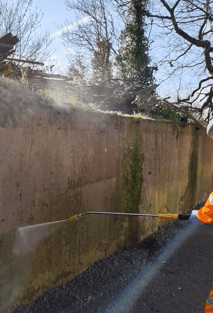
Preparation is therefore everything. Make sure the background is sound, clean and suitable for the system. Dust, loose material, algae, salts or contamination will compromise the bond in any weather, but hot conditions leave less margin for error. Where the substrate is too dry or too hot, controlled dampening can help reduce suction, but it should be misted rather than soaked. The wall should be damp, not running with water, because over-saturation can cause slump cracking and poor adhesion. A suitable water-based primer or suction-control primer can also help regulate absorption and support a more consistent finish.
Planning the working day is just as important as preparing the wall. On very hot days, it may be necessary to alter site hours and start early, before the building has absorbed the day’s heat. A 5am start might not be everyone’s favourite option, but it can be the difference between a controlled application and a finish that flashes off too quickly. Avoid the middle of the day where possible, particularly on south and west-facing elevations.
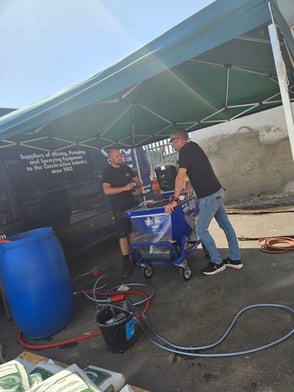
A simple rule is to work with the shade, not against it. Start on the shaded side of the building and follow the shade around as the sun moves. Never apply render in direct sunlight if it can be avoided. Temporary scaffold sheeting, hessian, protective covers or shade screens can help reduce solar gain, but they must not trap excessive heat or mark the finish.
Hot weather also changes the pace of application. Do not overextend the area you are trying to cover in one pass. Smaller, manageable sections are better than racing across a large wall and losing the wet edge. Keep enough labour on the elevation to apply, rule, level and finish at the right time. On coloured or textured renders, inconsistent finishing times can show as shade variation or patchiness, even when the mix itself is correct.
Materials need looking after too. Store bags off the ground, dry and sheltered, and keep them out of direct sun. Use clean water, mix consistently, and avoid adding extra water later unless the manufacturer expressly allows it. In hot weather, smaller batches may be safer than mixing more than the team can comfortably apply.
Reinforcement can help reduce cracking. Embedding fibreglass mesh into the basecoat, or into monocouche where the system allows, increases tensile strength and helps the render cope with drying shrinkage and background movement. It is not a substitute for good preparation or correct curing, but it is a valuable safeguard, especially around openings, stress points and large elevations.
Aftercare matters. If conditions are hot, dry or windy, the surface may need protection and controlled misting during the early curing period, always in line with product guidance. The goal is to stop the render drying too quickly, not to saturate it or wash out the finish. In hot, windy or fast-drying conditions it may be necessary to mist render twice daily for three days after application.
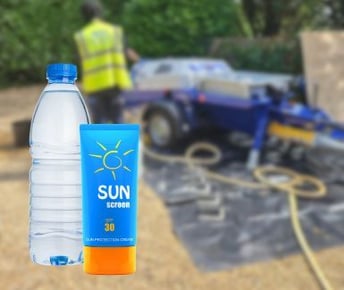
Finally, look after the team. Rendering is physical work, and hot conditions increase the risk of dehydration, fatigue and mistakes. Build in breaks, rotate tasks where possible, keep drinking water on site, use sun protection and make shade available. A crew that is rushing, overheating or short-handed is far more likely to miss the finishing window.
So, is there really a render season? Not in the neat, predictable sense. Successful rendering is about judgement, not just the month on the calendar. Hot weather does not always mean tools down, but it does mean checking the wall, controlling suction, avoiding direct sun and protecting the cure. Get those details right and you give the render the best chance of a strong bond, an even finish and a façade that looks good long after the heatwave has passed.
