
Aug
When you invest in a new piece of plant machinery, you want to know that when it arrives on site, it’s ready to work.
That’s where a Pre-Delivery Inspection (PDI) comes in.
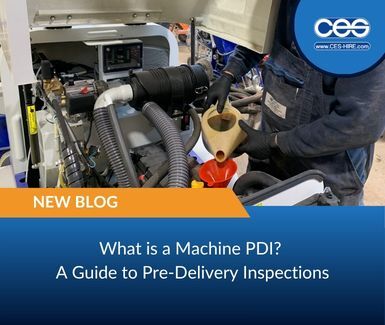
A machine PDI is a thorough quality, safety and operational inspection carried out before a new machine is handed over to it's new owner. It ensures the equipment has been correctly assembled, essential fluids are at the correct levels, components are properly adjusted and the machine operates as intended.
For specialist construction equipment such as render spray machines and liquid flow screed pumps, a PDI is particularly important. These machines are expected to pump materials under pressure, so identifying potential issues before they reach site can help prevent unnecessary downtime and give operators confidence from day one.
So, what actually happens during a machine PDI?

Why Is a Pre-Delivery Inspection Important?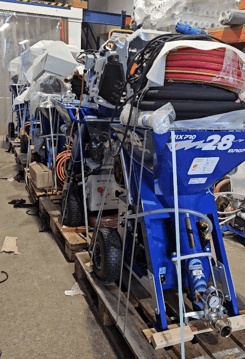 Although a machine may be brand new, that doesn't mean it should simply go from the manufacturer to the customer without being checked.
Machines may have undergone factory testing before dispatch and can also travel significant distances before reaching the supplier. A PDI therefore provides an important final quality gate between manufacturing and the machine beginning its working life.
For a new render or liquid flow screed pump, this means checking for potential factory or transport issues, verifying pressure sealing and ensuring mechanical, electrical and safety systems are operating correctly.
The objective is simple: make sure the machine is ready for work before it reaches the job site.
1. First-Time Setup and Fluid Checks
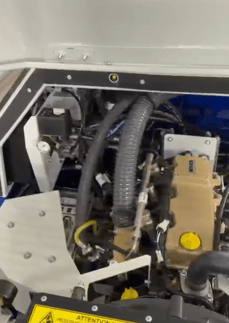 One of the first stages of a PDI is checking the machine's fluids and preparing systems that may have been tested at the factory.
Any residual water, moisture or anti-freeze left behind following factory testing should be drained from areas such as compressor tanks and material lines where applicable.
Fluid levels are then checked against the manufacturer's specifications. Depending on the machine, this can include:
- Engine or motor oil
- Hydraulic oil
- Compressor oil
- Radiator coolant
On diesel-powered machinery, the fuel system and fuel lines are also inspected. The system may need to be primed while checking for air in the fuel supply, loose seals or potential leaks.
The wider machine is inspected for signs of fluid weeping or leakage around hoses, joints and the engine bay.
Filters, including air and fuel filters, are also checked to ensure they're correctly fitted and ready for operation.
2. Checking the Greasing System
Correct lubrication is essential on hardworking construction machinery.
Where a machine is fitted with an automatic greasing system, this can be manually cycled during the PDI. This confirms that grease is successfully travelling through the system and that the lines are fully primed through to the relevant seals and lubrication points.
It's a relatively simple check, but an important one when preparing machinery that will soon be operating in demanding site conditions.
3. Electrical and Cable Inspections
Electric render and screed pumps require additional electrical checks before they can be put to work.
The heavy-duty power supply cable and plug are visually inspected for any damage that may have occurred during manufacturing or transportation. This includes checking for cuts, damaged pins, loose strain reliefs and other visible defects.
Correct electrical operation and motor rotation should also be confirmed where applicable. Establishing the correct rotation before material enters the machine is particularly important, as incorrect rotation can prevent the pumping system from operating as designed.
4. Mechanical Integrity and Sealing
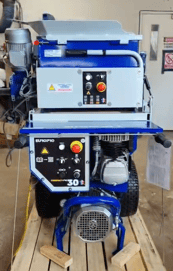 The next stage involves a closer inspection of the machine's mechanical components.
On machines using a rotor and stator pumping system, the stator clamp tension is checked and set appropriately for initial operation. Over-tightening can place unnecessary load on the motor, and increase wear. While incorrect adjustment can affect pumping performance.
Critical fasteners in high-vibration areas are also checked. Depending on the machine, this can include motor or engine mounts, mixing vessel hinges and tow-bar attachments.
Drive belts for compressors and main drive systems are inspected and adjusted where necessary to ensure the correct tension and reduce the risk of slipping during operation.
Finally, rubber gaskets within camlock and delivery couplings are checked. A gasket that is twisted, incorrectly seated or damaged can compromise the seal once the machine is operating under pressure.
5. Safety Systems and Controls
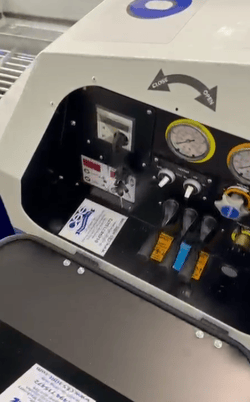
Performance is only one part of a PDI. Safety systems need to work exactly as intended.
Safety interlocks are tested to confirm that opening or lifting protected areas, such as a hopper safety grille, stops the relevant moving components.
The machine's control panel is then powered up and its buttons and switches tested. This can include the ignition, start/stop controls and other machine-specific functions.
Any fitted working lights are checked at this stage too.
If the machine uses a wireless remote control, wired remote or air-switch system, this is tested to confirm that operators can reliably start and stop the relevant functions from the intended working position.
6. A Final Visual Inspection
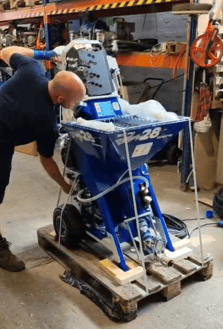
A PDI also provides an opportunity to examine the overall condition of the machine.
Bodywork is checked for scratches, dents, paint damage or other signs of transport damage. This ensures any issues are identified and documented before the machine is handed over.
Serial numbers for key components such as the engine, compressor and chassis are also recorded where applicable. These details can then be used to complete the necessary manufacturer warranty registration.
Ready for Its First Day on Site
A Pre-Delivery Inspection is much more than giving a new machine a quick once-over.
It's a structured process designed to ensure that the machine has arrived in the correct condition, its key components have been inspected and adjusted, safety systems are operational and the equipment is properly prepared for its first job.
For specialist equipment such as render pumps and liquid screed pumps, getting these details right before abrasive material enters the pumping system is particularly important.
At CES Hire, our aim is to make sure your new equipment is properly prepared before it reaches you, helping you get to work with confidence from day one.
Looking for a new render or liquid screed machine? Speak to the CES Hire team about our range of specialist construction equipment and the support available before, during and after your purchase.
